Welcome to Today’s Cacher
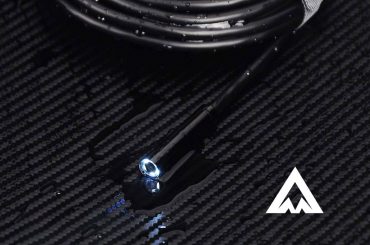
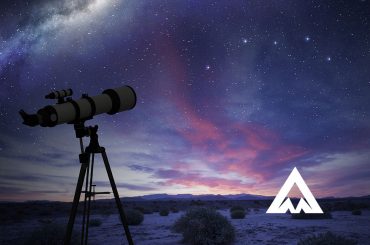
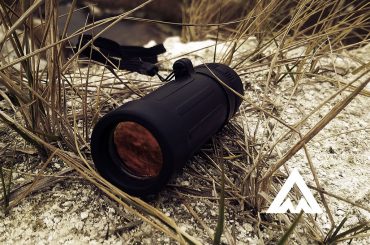
On our website, you’ll find everything related to outdoor, whether it is binoculars, flashlights, rangefinders or thermal imaging. We are striving to be the leading source of information on the web and is always fine-tuning our research process to help you find the best optics for your needs.
We know how hard it is to pick products before purchasing them, and since most of us only want to use the best gear, the task is so much harder. With our buying guides, we hope to make the purchasing decision easier since we do all the legwork included such as comparing different brands, models, and magnifications to ensure that only the crème de la crème of products are chosen. With our lists of the best products, you’ll find that ALL of them are great choices and therefore you can pick the one you find the most compelling, whether it being due to its pricing or that it is waterproof.
Our site is made to be easy to use, therefore you’ll find all articles divided into sections such as flashlights, binoculars, rangefinders & thermal imaging. In each section, you’ll find a general article, where we showcase the best products no matter what type or brand it is. Then we have more articles digging deeper into the different brands and models, such as a specifics or brand.
How we compare our products
We have a very strict set of rules when we compare products. We use consumer reviews as well as external sources such as field-experts and alike, then we compare the cold hard facts of each product, such as specifications and why each product is one of the top best-selling around. Sometimes this is due to the price of the product, while sometimes it is just due to it being the superior model. We do not take price into account when picking the best products since our focus is to bring out the best products, not the cheapest. In each section, however, you’ll find a “Best *** under $100” or “Best Cheap” articles, where we indeed bring out the best and most affordable models.
Who we are
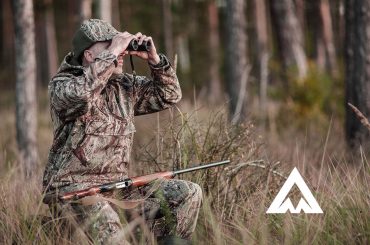
We are a team of passionate hunters and outdoor adventures’ from all around the globe, and together we have built this website to spread knowledge about the best products in these two fields. Since products can be used for every occasion, we’ve done major research on these topics/activities and what you should prioritize when picking products for this, but it turns out that it isn’t too different from birding or hunting as we first thought.
If there is anything you think we should change or that you want to share your own experiences please do not hesitate to comment or contact us. We are always open to being proved wrong, and we are not afraid to make mistakes (however, we strive to NEVER make mistakes and put a lot of time and effort into the research process).